

Guide
What to expect in an advanced driving course.
From basic vehicle control to high-performance mastery: the curriculum, the outcomes, and why a private driving instructor changes everything.
The Basics
What is an advanced driving course?
An advanced driving course is structured, professional instruction that moves well beyond standard road competence. Where a typical driving school teaches you to pass a test, an advanced course teaches you to understand what the vehicle is doing, why it is doing it, and how to ask more of it — safely.
These courses are typically delivered one-to-one or in very small groups by a certified instructor with real racing, development, or professional driving experience. The environment ranges from closed circuits and private venues to on-road coaching in the client's own vehicle.
The goal is not speed for its own sake. It is control: the ability to read the road, the weather, the surface, and the vehicle's behaviour in real time — and to make the right decision before the situation demands it.
The Curriculum
Five stages. One standard.
A progressive curriculum builds command from the seat outward. Each stage is a discipline; together they form a complete advanced driving education.
- 01
Foundation
Seating position, vision discipline, hand and foot placement, mirror strategy, and situational awareness. The fundamentals that most drivers never learned correctly.
- 02
Vehicle Dynamics
Weight transfer under braking, cornering, and acceleration. How grip is generated, where it moves, and how to use it rather than fight it.
- 03
Reaction & Evasion
Emergency braking, lane-change evasion, slalom precision, and directional changes under pressure. Reducing reaction time through preparation.
- 04
Recovery & Control
Understeer and oversteer correction, skid recovery, surface transitions, wet and low-grip control. Turning a loss of control into a controlled outcome.
- 05
Performance Mastery
Throttle modulation, trail braking, heel-and-toe technique, and the transition from road discipline to track-level vehicle command.
The Difference
Generic school versus private driving instructor.
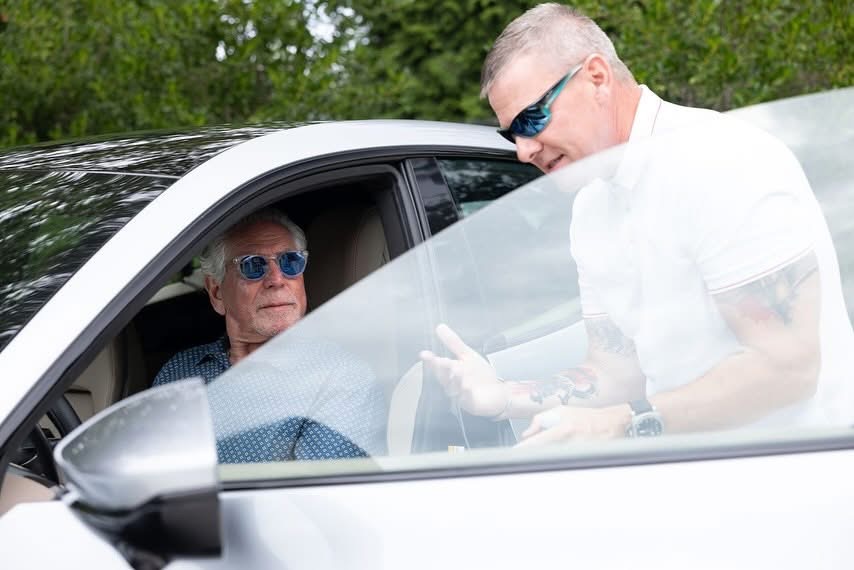
Most advanced driving schools teach a standard syllabus to a mixed-ability group in a fleet vehicle. A private driving instructor starts with your vehicle, your experience, and your specific risks — then builds the curriculum around them.
Generic School
Private Instructor
Who It's For
Not every driver needs this. Some cannot afford not to.
High-Performance Vehicle Owners
You own a machine with capabilities that exceed your current skill. Closing that gap is not optional — it is a responsibility.
Newly Licensed Drivers
Young drivers with access to powerful vehicles need habit, judgment, and prevention training before confidence becomes risk.
Principals & Public Figures
Security-focused driver training for clients whose vehicles, careers, families, and reputations carry exposure.
Brand & Insurance Partners
White-label driver-safety events for luxury auto, insurance, and concierge partners who need premium, brand-safe delivery.
FAQ
Common questions about advanced driving courses.
What is an advanced driving course?
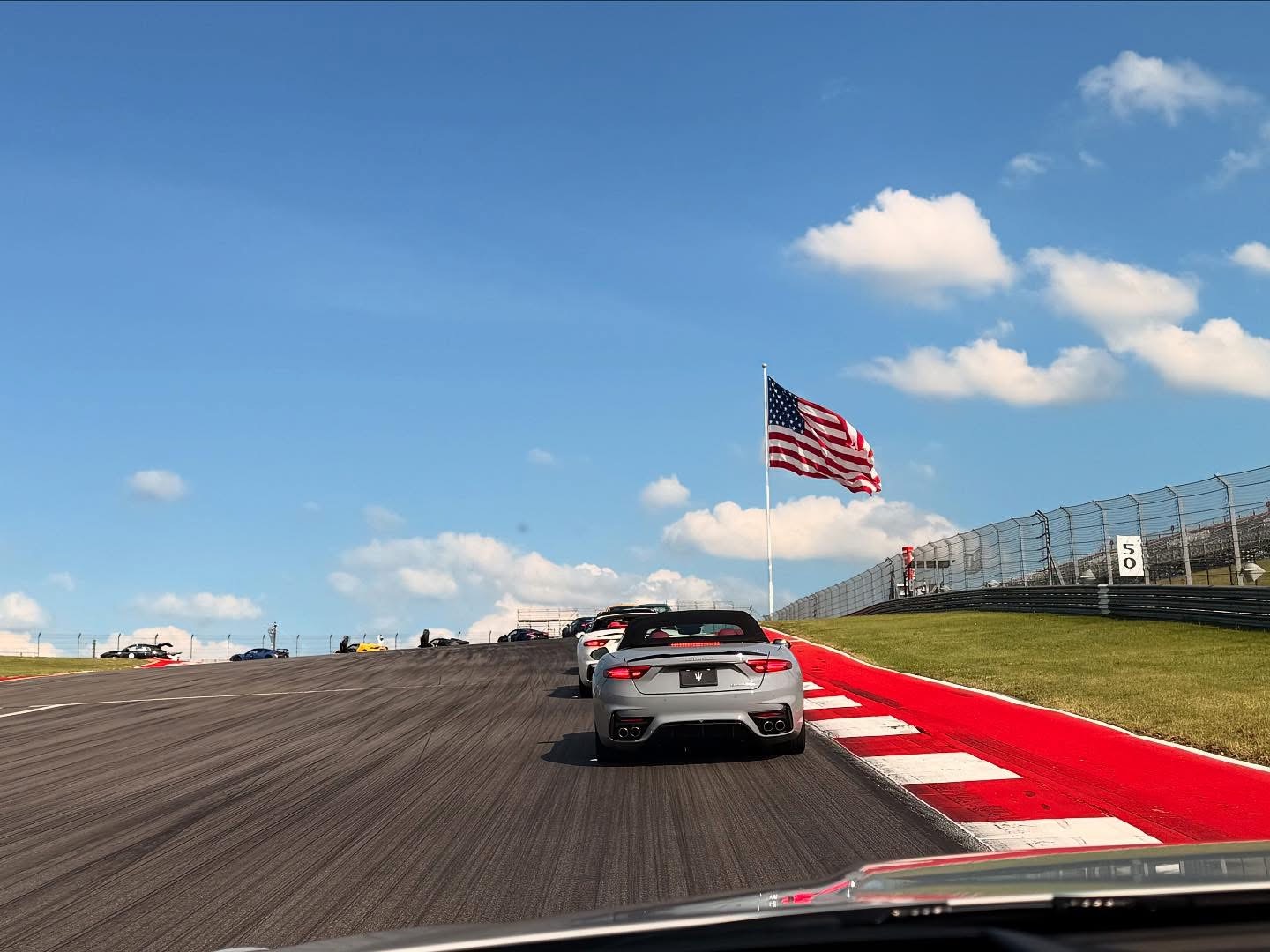
An advanced driving course is structured instruction that moves beyond basic road competence into vehicle dynamics, emergency reaction, skid recovery, and high-performance control. It is typically delivered one-to-one or in very small groups by a certified instructor with racing or professional driving experience.
What do you learn in an advanced driving course?
Curriculum varies by instructor, but core topics include weight transfer, threshold braking, evasive steering, understeer and oversteer recovery, vision discipline, and traction management. The best courses also cover decision-making under pressure and risk assessment for high-performance vehicles.
How is a private driving instructor different from a driving school?
Generic driving schools typically teach standardized syllabi in mixed-ability groups with generic vehicles. A private driving instructor designs the curriculum around your vehicle, your experience level, and your specific risks — delivering faster progression, deeper vehicle understanding, and discretion.
Who should take an advanced driving course?
Owners of high-performance or luxury vehicles, newly licensed drivers with access to powerful cars, principals and public figures with security concerns, and anyone who wants to close the gap between vehicle capability and personal control.
How long does an advanced driving course take?
A focused private intensive can deliver measurable improvement in one to three days. Long-term mastery programs are often structured across multiple sessions over weeks or months, depending on the client's goals and travel schedule.
Do I need my own vehicle?
Private instruction is typically delivered in your own vehicle, because the goal is to master the machine you actually drive. Some programs include access to dedicated training vehicles for specific exercises.
Is advanced driving training only for track use?
No. The skills translate directly to public roads — often with greater impact, because public roads present unpredictable variables that a closed circuit does not. The discipline is control, not racing.
Begin Your Course
Command begins with the right instructor.
Private inquiries are reviewed personally by Craig and handled discreetly. Tell us about the driver, the vehicle, and the outcome you want to achieve.